Cobrathon: The G.I. Joe Episode That Predicted “Fundraising Grifts” + Cyber Warfare
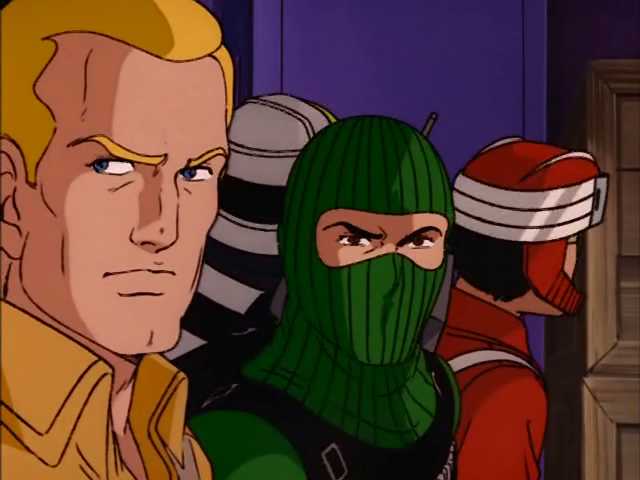
There are G.I. Joe episodes that feel like toys smashing together in the backyard… and then there’s “Cobrathon”—an episode that feels weirdly modern in 2026 because it’s basically about two things adult fans now recognize as everyday threats:
- money laundering through “entertainment fundraising,” and
- cyberattacks designed to erase accountability.
Aired October 6, 1986 (Season 2, Episode 12), “Cobrathon” is Cobra doing what Cobra does best: finding the most cynical shortcut to power, then packaging it as a show you can’t stop watching.
Cobra’s Plan: A Telethon for Criminals (And It’s Not Even Subtle)
The premise is hilarious on the surface: Cobra stages a global telethon—literally a Cobra-thon—to raise an absurd amount of money from international criminals. But the reason they need the cash is the real adult punch: Cobra is funding a computer virus intended to hit major law enforcement systems around the world—crippling the ability to track criminals and effectively wiping the slate clean for terror activity.
That is not a silly “steal a statue” plot. That’s financial crime + cyberwar as a business model.
The Episode’s Hidden Villain: The Business of Chaos
“Cobrathon” has one of the most grown-up Cobra motivations in the entire series, because it’s not about conquest—it’s about profit and protection.
According to episode summaries, Cobra’s telethon is used to bankroll their “decisive strike” against global law enforcement. Bluntly, the Cobrathon is built to raise billions, with the goal of knocking out the world’s law enforcement computer systems.
As a kid, it’s easy to laugh at Cobra Commander wearing the “host” role like he’s doing late-night TV.
As an adult in 2026, you recognize the pattern instantly:
- Create a spectacle
- Build urgency
- Ask for money
- Use the money to make the world less safe
- Repeat
It’s basically the dark-side blueprint of modern influence culture—except Cobra says the quiet part out loud.
The Joe Side of the Story: Cybersecurity Before Cybersecurity Was Cool
A big reason this episode holds up is that it gives the Joes a threat that isn’t “shoot the laser.” It’s information warfare.
In the story, Duke and a team infiltrate a Cobra software site, where Mainframe steals a decoder box and realizes Cobra has gone into pay television business (which is the pipeline for broadcasting the telethon). But there’s a cost: Sci-Fi and Lifeline get captured during the mission, raising the stakes from “stop the signal” to “rescue your people before the world goes blind.”
That’s the adult theme again: in cyber conflict, you’re always fighting two battles at once—
the technical battle and the human one.
Why “Cobrathon” Feels Even More Relevant in 2026
This episode lands with adult fans today because it nails three truths that aged way too well.
1) Fundraising can be a weapon
Cobra doesn’t rob a bank. They run a “program.”
In 2026 terms: this is the animated equivalent of modern grifting mechanics—monetizing fear, outrage, or tribal identity to generate cash at scale.
The brilliant part is that Cobra isn’t just raising money—they’re normalizing the transaction. They’re turning criminal sponsorship into something slick, organized, and TV-friendly. It’s evil… but it’s professional evil.
2) The goal isn’t destruction—it’s erasing consequences
Cobra’s virus is about more than disruption. It’s about removing the world’s memory of criminal activity by taking down the systems that keep records, coordinate agencies, and track networks. That’s a very adult fear in 2026, because it echoes how modern cyberattacks often work:
- not just “break stuff,” but
- disable response, blind investigators, wipe logs, and slow recovery.
This episode understands a scary reality: if the watchdogs can’t see, the wolves don’t have to hide.
3) Media + tech is a combo attack
“Cobrathon” pairs entertainment with infrastructure sabotage. That combo is exactly what makes it feel modern.
Cobra isn’t only hacking computers—they’re using TV as the funnel that funds the hack.
So the episode becomes a warning about systems working together:
- media moves attention
- attention moves money
- money moves power
- power breaks systems
The Adult Takeaway: “Funny Episode” = Serious Message
“Cobrathon” is one of those G.I. Joe stories where the comedy is the camouflage. The episode is loud, goofy, and high-energy… but the core idea is deadly serious:
The future belongs to whoever can raise the money, control the signal, and collapse accountability.
That’s why adult fans in 2026 still love it. Not because Cobra did a telethon.
Because Cobra did a telethon… and it worked.